
How to read your opponents in high-stakes poker games
Understanding Player Types
Before diving into the intricacies of reading opponents in high-stakes poker, it’s crucial to understand the different player types that populate the table. Typically, players can be categorized into a few key archetypes: tight-aggressive, loose-aggressive, tight-passive, and loose-passive. Each player type exhibits unique behaviors that can provide valuable insights into their betting patterns and overall gameplay strategies.
For instance, a tight-aggressive player is likely to only enter pots with strong hands but will play them aggressively. In contrast, a loose-passive player may enter more hands but tends to call rather than raise. Recognizing these patterns can give you a significant edge, allowing you to adapt your strategy accordingly and anticipate your opponents’ moves. Check out the best online pokies australia for more insights on gambling strategies.
Observing Betting Patterns
One of the most effective ways to read your opponents in poker is by closely monitoring their betting patterns. Each action—whether it’s a call, raise, or fold—can provide valuable information about the strength of their hand. For instance, if a player consistently raises pre-flop but holds back on the flop, it may indicate a strong starting hand that didn’t improve on the board.
Additionally, consider the size of their bets. A substantial bet often indicates confidence, while a smaller bet may suggest uncertainty or a weaker hand. By carefully observing these behaviors over time, you can build a more accurate profile of each opposing player, which will help inform your own decisions at the table.
Body Language and Tells
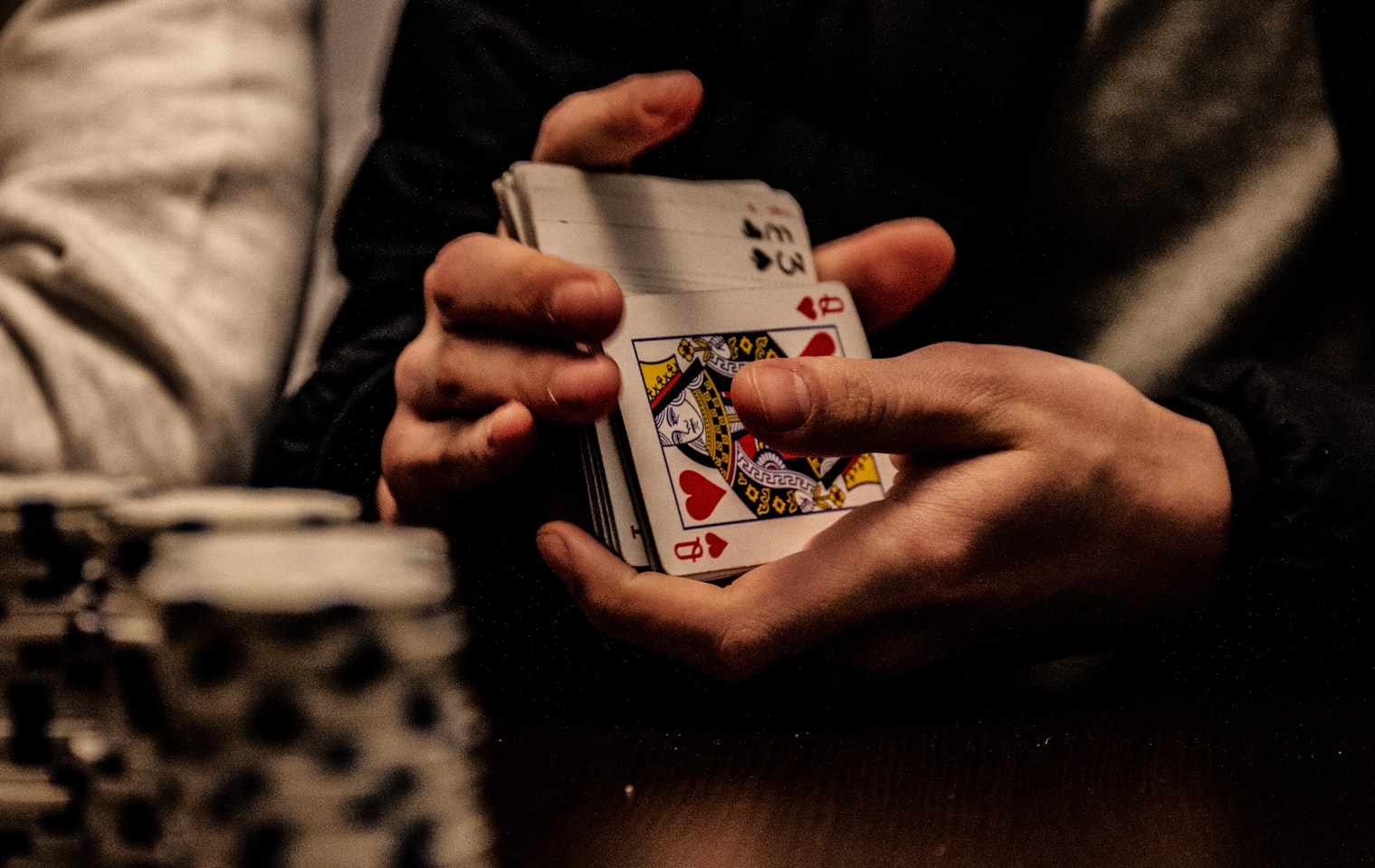
In high-stakes poker, the ability to read your opponents’ body language and physical tells can be a game-changer. Subtle cues, such as the way a player holds their cards, their eye movements, or even their posture, can signal confidence or insecurity. For example, a player who avoids eye contact when betting may be bluffing, whereas someone leaning forward with intent might have a powerful hand.
It’s also vital to be aware of your own tells. Successful players strive to maintain a neutral demeanor and avoid giving away tips about their own hand strength. By managing your body language, you not only protect your strategy but can also set traps for your opponents by inducing them to reveal their own tells.
Timing is Key
The timing of a player’s actions can tell you a lot about their hand strength. Quick bets may indicate confidence or a strong hand, while prolonged hesitation can signify uncertainty or a weak holding. Be especially cautious of players who take an unusually long time to make decisions; they may be weighing their options carefully due to a strong or complicated hand.
Furthermore, the timing of their raises or calls can also indicate how they perceive the table dynamics. If a typically tight player suddenly raises with fervor, it may signal that they have seen an opportunity to exploit a weakness in your strategy. Keeping track of these timing nuances allows for more informed decisions as the game progresses.
Additional Resources and Learning
Many online platforms offer resources and insights on improving your poker gameplay and reading opponents. Websites often feature expert analyses, strategies, and even live gameplay recordings that can enhance your understanding of different styles. Engaging with these materials allows you to refine your skills and become a more adept player.
In particular, interactive forums and educational videos can help you simulate real-world scenarios, allowing you to practice reading opponents without the pressure of a live game. This can be especially beneficial for high-stakes games where the stakes are significantly higher, and the psychology of the game becomes even more critical.