
Whoa!
I remember the first time I tried to move assets between chains and it felt like juggling flaming wallets.
Most wallets promised simplicity but delivered confusion and hidden risks.
My gut said: somethin’ here is broken, and I wasn’t alone in that feeling.
So I kept digging, testing, and asking around until patterns started to emerge, which changed how I think about mobile wallets today.
Seriously?
Mobile convenience is real, but security trade-offs are common and often subtle.
A lot of people assume mobile equals insecure, though actually many good designs mitigate that effectively.
On one hand a phone is accessible everywhere, and on the other hand you can lose it or fall prey to malware, so it’s complicated and worth careful thought.
Hmm…
User experience matters as much as cryptography sometimes.
If people can’t navigate a seed phrase flow, they’ll copy it into unsafe places.
That behaviour is human, predictable, and unpleasant to watch when assets are at stake.
Initially I thought better UI alone would fix this, but then realized that hardware pairing and clear NFT provenance tools are what actually reduce user errors across chains.
Here’s the thing.
Multichain support isn’t just about adding chains to a menu.
It requires coherent key management, transaction validation, and consistent UX across networks.
Too many wallets treat each chain as a separate island, which leads to mistakes and cross-chain confusion.
A properly integrated wallet treats keys as the hub and chains as spokes, so you can manage everything without getting scalped by network-specific quirks.
Really?
Yes — hardware wallet support changes the risk model significantly.
Pairing your mobile app with a secure element or external hardware device keeps private keys off the phone.
That separation is critical when you start dealing with NFTs and smart-contract approvals, because a compromised app can’t sign blindly if the hardware requires explicit confirmation.
Over time this approach reduces catastrophic losses from phishing or rogue apps that mimic legitimate interfaces.
Whoa!
NFT support is not just a gallery feature anymore.
People expect provenance, lazy-mint awareness, and the ability to interact with token-gated services securely.
If your wallet shows metadata but can’t verify signature chains or let you safely list and approve marketplace actions, that’s a problem that will get you burned.
I’ve seen collectors accidentally approve infinite allowances and lose valuable pieces — this part bugs me.
Okay, so check this out—
Good wallets show contextual warnings before approvals, and they let you set granular permissions permanently or per-contract.
That design reduces repetitive approvals and keeps you in control while remaining usable for everyday interactions.
I’m biased, but wallets that force repetitive confirmation modals without clarity are asking for user fatigue and mistakes.
Hmm…
On-device isolation and hardware-backed keys really shine during cross-chain swaps.
A swap that touches multiple ledgers but uses the same private key becomes safer if each signature is reviewed in a tamper-proof environment.
My instinct said hardware-only was too clunky once, but modern UX has evolved so that pairing is fast and feels natural rather than like a chore, which surprised me pleasantly.
Seriously?
Yes — and again, it’s about reducing room for human error.
When a mobile app shows you a simplified intent and delegates signature details to the hardware, you get the best of both worlds: convenience plus cryptographic safety.
That layered trust model also helps when interacting with DeFi protocols that require multiple approvals or tricky calldata, because the device can display critical fields before you sign, even if the app itself is compromised.
Wow!
Interoperability with hardware wallets also opens doors for institutional workflows on phones.
Custodial services are different, sure, but self-custody that supports hardware devices means small teams and sophisticated users can manage multisigs and time-locked wallets without being tied to desktop-only tools.
This flexibility matters a lot in the US market where mobile-first behavior is dominant and people want secure, portable control of their assets.
Here’s the thing.
Not every wallet that claims “multichain” actually supports NFTs robustly across those chains.
Some will show a token balance but strip out metadata or fail to verify contract origins, leaving collectors with worthless-looking assets.
A wallet that treats NFTs as second-class citizens will cause frustration and potential losses when metadata servers go down or smart-contract upgrades occur.
Design for resilience: cache critical metadata safely and validate contract signatures when possible.
Check this out—
I started recommending one wallet to friends because it balanced mobile ease with hardware-backed keys and thoughtful NFT workflows.
That wasn’t a blind endorsement; I tested transaction flows, approval prompts, and multisig interactions across EVM and non-EVM networks.
The experience was cohesive enough that even less technical users could follow what was happening, which matters more than we often admit.
How to pick a wallet that actually protects your assets
My checklist goes like this: clear hardware integration, explicit approval screens, granular allowance controls, reliable NFT provenance, and a sane recovery flow that doesn’t push users into risky shortcuts.
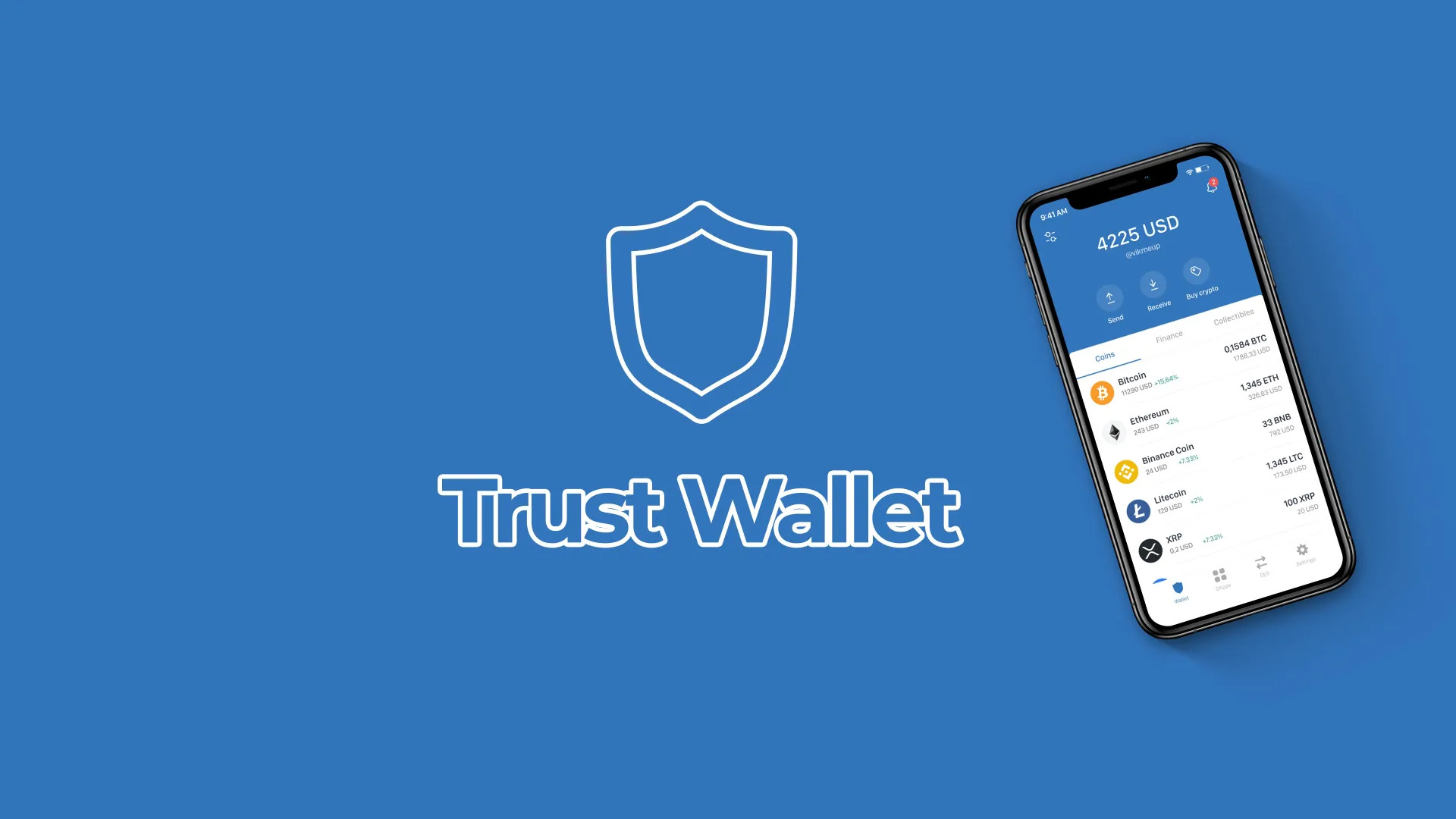
If you want a place to start with a wallet that hits most of these marks check out truts wallet — I’ve used it as a reference in testing and it reflects many of the sensible trade-offs I’m describing.
I’m not saying it’s perfect, and I’m not 100% sure it will fit everyone’s workflow, but it shows how thoughtful design reduces common pitfalls.
On the technical side, prefer wallets that expose transaction details cleanly and can delegate signing to hardware with human-readable confirmation prompts, because those reduce error rates significantly.
Wow!
There are trade-offs, naturally.
Hardware adds friction and can be lost or damaged, and recovery methods can be annoying, though necessary for security.
On the other hand, ignoring hardware support for pure convenience leads to very different and often worse trade-offs when assets grow in value.
Balance your tolerance: early collectors might accept more UX friction, while high-value holders should prioritize tamper-proof key storage.
Whoa!
Network fees and UX also interact in weird ways.
Wallets that batch or abstract gas can be helpful, but they must not obscure who actually pays or what the transaction does.
Transparency plus optional abstraction is the sweet spot, because many users want convenience without blind trust.
That tension explains why wallets that try to do everything for users sometimes fail at security-critical prompts — they hide too much under the hood.
Okay, so here’s a surprising bit—
Marketplace integrations can be secure if the wallet enforces out-of-band verification for high-risk actions.
For example, requiring hardware confirmation for any transfer above a threshold or for setting market-making approvals reduces the chance of automated rug pulls.
It’s a policy decision more than a pure technical one, and wallets that let users define these policies shine for power users who still want mobile convenience.
Honestly, I’m still grappling with some limits.
On one hand, mobile-first self-custody is the future for many users.
On the other, the ecosystem still lacks universally readable metadata standards for NFTs across all chains, which complicates reliable display and provenance.
I may be biased toward wallets that prioritize human-readable warnings and open verification tools, because that approach feels more durable than flashy, shallow UX tricks.
FAQ
Do hardware wallets work with mobile apps?
Yes. Most modern hardware devices support Bluetooth or use a secure companion connection, and well-designed mobile apps delegate signing to the device so private keys never leave secure storage.
Pairing is now quick and can be as easy as tapping approve on the hardware for each signature, which keeps the phone as the UI while the device enforces cryptographic safety.
Can I manage NFTs safely from my phone?
Absolutely, though you should choose wallets that verify contract origins and show meaningful warnings before granting approvals.
Also look for features like metadata caching, optional on-device verification, and the ability to revoke or limit allowances — small features that prevent big losses when interacting with marketplaces or token-gated services.
I’m not closing the book on anything; actually, wait—I’m opening a different chapter.
The trend is clear: mobile wallets that embrace hardware integration and treat NFTs as first-class assets will win trust.
My instinct told me years ago that convenience and security would merge, and now the tech is finally catching up, though imperfectly.
If you care about keeping assets safe while staying nimble, prioritize wallets that let you pair hardware, inspect approvals, and manage tokens across chains without sacrificing clarity — because clarity is often the best defense.