
The Allure of Risk and Reward
The psychology behind casino games is deeply intertwined with the concepts of risk and reward. Players often find themselves captivated by the thrill of uncertainty, as the prospect of winning substantial amounts of money creates an adrenaline rush that can be addictive. Many enthusiasts also explore betting apps that enhance their gaming experience, as the allure of reward often outweighs the inherent risks of gambling. This dynamic leads to a cycle of repeated play, where the excitement of the game becomes increasingly compelling over time.
This attraction can be further explained through behavioral psychology, particularly the concept of intermittent reinforcement. Players experience random wins—such as smaller payouts after a string of losses—which encourages them to continue playing in hopes of hitting a lucky streak. This unpredictability fosters a sense of excitement and anticipation, luring players back to both physical casinos and online gaming platforms. The thrill of waiting for a win can be almost euphoric, leading to a persistent desire to engage in more gambling activities.
Moreover, the emotional responses stimulated by casino environments play a pivotal role in maintaining player engagement. The sights and sounds of a casino—ranging from the ringing of slot machines to the dazzling lights—are intentionally designed to evoke strong emotional reactions. These sensory experiences create a connection between the player and the game, making wins feel even more rewarding and losses more bearable. This intricate design of the casino atmosphere significantly influences gambling behaviors, ensuring that players remain captivated and invested in their gaming experiences.
The Role of Cognitive Biases
Cognitive biases profoundly impact how players interpret odds and make decisions while gambling. One of the most prevalent biases is the “Gambler’s Fallacy,” where individuals erroneously believe that past outcomes can influence future results. For instance, if a player experiences a series of losses in a game of chance, they may irrationally convince themselves that a win is imminent. This flawed reasoning can lead to increased betting, as players strive to capitalize on their perceived ‘winning streak’ that is more a product of hope than reality.
Another critical cognitive aspect is “loss aversion,” a phenomenon where individuals feel the pain of losses more acutely than the pleasure derived from equivalent gains. This can lead players to chase their losses, betting even more in an attempt to recover what they have lost. In the emotionally charged environment of a casino, this behavior can be exacerbated, as stress and urgency cloud judgment, resulting in risky financial decisions that players might not consider under normal circumstances.
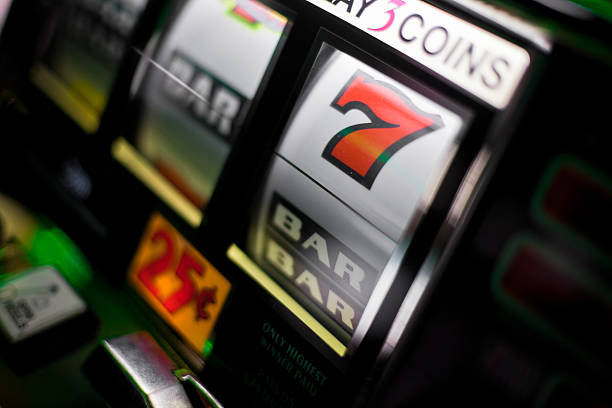
Additionally, players frequently overestimate their chances of winning due to the availability heuristic, which causes them to remember vivid recent wins more readily than the numerous losses. This skewed perception fosters a belief that a win is overdue, prompting players to take risks they might typically avoid. Understanding these cognitive biases is crucial for both players and researchers seeking to unravel the intricate psychological mechanics of gambling behavior and its implications for responsible gaming practices.
The Social Dynamics of Gambling
The social environment of casinos significantly influences the gambling experience. Many players appreciate the communal aspect of gaming, where they can share moments of triumph or disappointment with others. This social interaction fosters a sense of belonging and connection, enhancing the overall enjoyment of the gambling experience. In various settings, such as poker tables or multiplayer games, social dynamics—ranging from competition to collaboration—can intensify engagement levels, making the experience even more immersive and enjoyable.
Moreover, social proof plays a pivotal role in shaping gambling behavior. Observing others winning can create a strong desire to join in, driven by the hope of replicating those successful outcomes. This phenomenon is particularly noticeable in bustling casinos, where the excitement and energy can encourage participation from those who might otherwise be hesitant. The presence of fellow gamblers not only increases the thrill of the game but also reinforces the belief that a win may be just around the corner.
However, the social dynamics of gambling can also lead to problematic behaviors. Peer pressure and groupthink may prompt individuals to exceed their budget or take risks they wouldn’t normally consider if they were playing alone. This collective behavior can be detrimental, as it might encourage excessive gambling and contribute to financial difficulties. Understanding the impact of social influences on gambling is essential for promoting responsible gaming practices and fostering healthier gambling habits among players.
The Effects of Environment on Gambling Behavior
The design and atmosphere of a casino can profoundly affect players’ choices and behaviors. Engaging decor, ambient lighting, and stimulating sounds create an immersive experience that captivates players. Research indicates that a welcoming and vibrant environment can elevate a player’s mood, leading them to gamble more and take risks that might not occur in a more subdued setting. This manipulation of the environment is a key strategy employed by casinos to enhance player engagement.
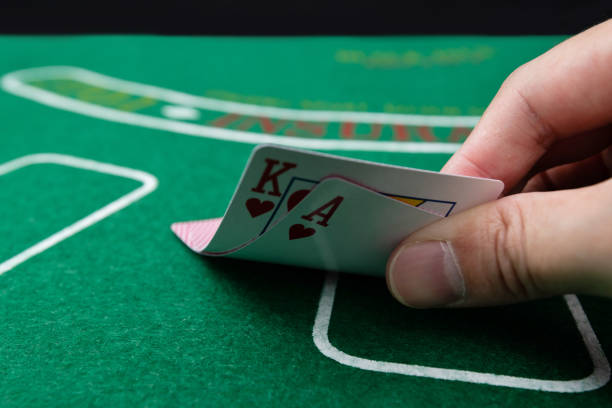
For example, many casinos intentionally lack clocks and windows, creating a sense of timelessness that encourages players to lose track of time. This strategic design feature can lead to extended play sessions, benefiting casinos as it keeps players engaged longer and increases potential losses. By carefully curating the environmental factors within their spaces, casinos can effectively maximize their profitability while simultaneously enhancing the overall experience for players.
Furthermore, the provision of food and beverages in casinos can influence gambling behavior. Complimentary drinks and snacks create a relaxed atmosphere, allowing players to feel comfortable and potentially gamble for longer periods. This blend of leisure and gambling may result in increased spending, as players may lose their sense of moderation while indulging in alcohol or snacks. Understanding the interplay of environmental elements is crucial in analyzing the psychological and situational factors that impact gambling behavior.
Understanding Responsible Gambling and Resources
As the psychology behind casino games continues to evolve, the promotion of responsible gambling practices becomes increasingly essential. Recognizing the psychological triggers that can lead to problematic gambling will allow individuals to make informed decisions regarding their gaming habits. Providing educational resources about the risks associated with gambling can empower players to approach gaming in a balanced manner, helping to reduce the prevalence of addiction and financial difficulties.
Numerous organizations offer resources aimed at fostering responsible gambling, providing support for individuals who may struggle with gambling-related issues. These resources often include helplines, counseling services, and educational programs designed to increase awareness of the potential risks associated with gambling behaviors. By emphasizing the importance of understanding cognitive biases, emotional influences, and environmental factors, these initiatives can help individuals navigate their gaming experiences more safely.
Additionally, many online platforms and casinos are beginning to implement features that support responsible gaming, such as setting deposit limits and offering self-exclusion options. These tools allow players to take control of their gambling activities, fostering an environment that promotes enjoyable and responsible gaming experiences. Understanding the psychological dynamics behind casino games is vital in cultivating a culture of responsible gambling that benefits both players and operators in the long run.